How often does a fire alarm need servicing in the UK?
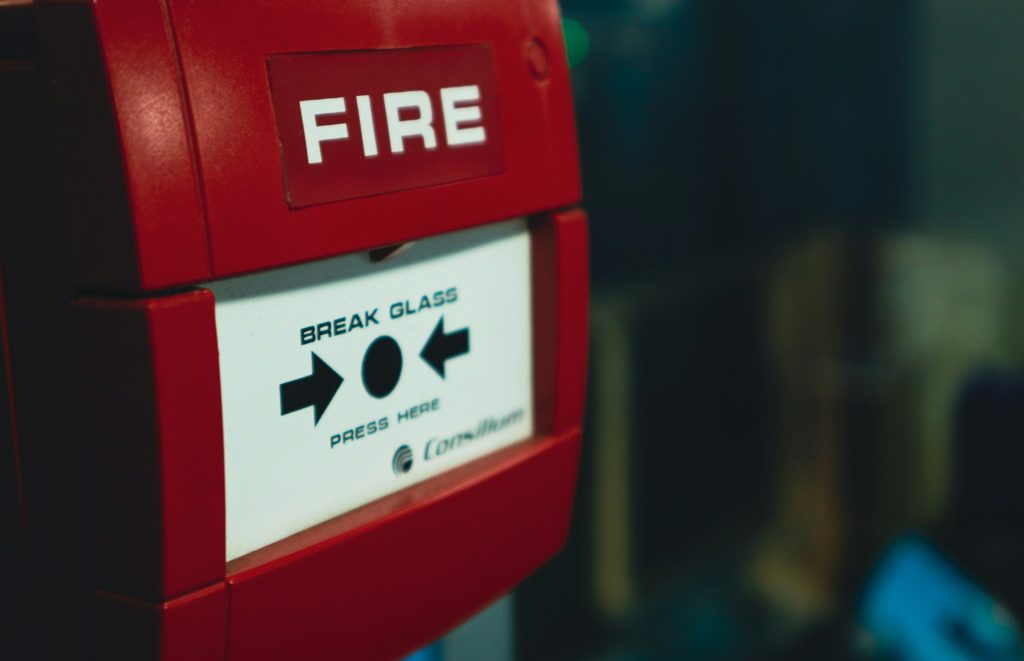
A fire alarm is one of the most important safety systems in any commercial building. However, simply having a fire alarm installed is not enough. It must also be regularly tested, professionally serviced and kept in full working order.
For most commercial and non-domestic premises in the UK, a fire alarm system should be professionally serviced at least once every six months by a competent fire alarm engineer. Your fire risk assessment, insurer or the specific requirements of your building may recommend more frequent servicing.
In addition to professional servicing, the fire alarm should normally be tested by someone at the premises every week.
How Frequently Should a Commercial Fire Alarm Be Serviced?
Fire alarm systems in commercial and non-domestic buildings should generally receive a professional inspection and service every six months.
This recommendation is set out within BS 5839-1, the British Standard covering the design, installation, commissioning and maintenance of fire detection and alarm systems in non-domestic premises. The latest version, BS 5839-1:2025, continues to provide guidance for maintaining these systems effectively.
Some premises may require more frequent visits due to:
- The size or complexity of the fire alarm system
- The number of people using the building
- The needs of vulnerable occupants
- Previous faults or false alarms
- The findings of the building’s fire risk assessment
- Requirements from an insurer or enforcing authority
- Particularly high-risk activities taking place on-site
The servicing schedule should therefore be based on both the relevant British Standard and the individual risks associated with the property.
What Is the Difference Between Fire Alarm Testing and Servicing?
Fire alarm testing and fire alarm servicing are different responsibilities.
Weekly fire alarm testing
A fire alarm should normally be tested once a week by the responsible person or a nominated member of staff.
This usually involves activating a different manual call point each week and checking that the alarm sounds correctly throughout the premises. Any connected equipment, such as automatic doors or alarm monitoring systems, may also need to be checked.
The test and its result should be recorded in the building’s fire safety logbook. Fire and rescue services commonly recommend weekly testing alongside professional maintenance in accordance with BS 5839.
Professional fire alarm servicing
A professional service is a much more detailed inspection completed by a competent fire alarm engineer.
Depending on the system, the engineer may inspect and test:
- The fire alarm control panel
- Manual call points
- Smoke and heat detectors
- Alarm sounders and visual warning devices
- Batteries and backup power supplies
- Fault indicators
- Connections to automatic doors or other safety systems
- Any links to an alarm receiving centre
- The fire alarm logbook and previous fault history
The purpose of servicing is to identify faults, deterioration or changes that could prevent the system from operating correctly during an emergency.
Is Fire Alarm Servicing a Legal Requirement?
UK fire safety law does not simply state that every fire alarm must be serviced on one fixed date each year. Instead, it places responsibility on the person in control of the premises to ensure that appropriate fire safety systems are provided and properly maintained.
For workplaces and other non-domestic premises in England and Wales, the Regulatory Reform (Fire Safety) Order 2005 requires fire precautions to be kept in an efficient state, in effective working order and in good repair.
Government guidance states that regular checks must be completed to make sure fire alarm systems are working and that faults are recorded. Businesses must also complete and regularly review a suitable fire risk assessment.
Following BS 5839 and arranging professional servicing at least every six months is the generally accepted way of demonstrating that a commercial fire alarm system is being appropriately maintained.
Who Is Responsible for Arranging Fire Alarm Servicing?
The person responsible will depend on how the premises are owned and managed.
The “responsible person” may be:
- The employer
- The business owner
- The building owner
- A landlord
- A facilities or property manager
- A managing agent
- Another person who controls the premises
In shared commercial buildings, responsibility may be divided between the landlord and individual tenants. These responsibilities should be clearly established and supported by the building’s fire risk assessment.
Even when weekly tests are delegated to a member of staff, the responsible person must ensure they are completed, recorded and followed up if a fault is identified.
What Happens During a Fire Alarm Service?
During a fire alarm service, an engineer will examine the system for faults, damage and signs of deterioration.
The exact work required will depend on the type and category of system installed, but the visit will typically include:
- Checking the control panel for faults or previous activations.
- Testing a selection of detectors, call points and alarm devices.
- Inspecting batteries and backup power supplies.
- Checking sound levels and visual warning devices where required.
- Confirming that connected systems operate correctly.
- Reviewing the fire alarm logbook.
- Identifying any changes to the building that could affect coverage.
- Providing a service record and details of any recommended repairs.
Across the course of the scheduled servicing visits, all relevant parts of the system should be inspected and tested in accordance with the applicable maintenance requirements.
Why Is Regular Fire Alarm Maintenance Important?
Fire alarm servicing is not just about meeting a compliance requirement. It helps ensure that occupants receive the earliest possible warning if a fire occurs.
Regular maintenance can also:
- Identify faulty detectors or call points
- Reduce unwanted and false alarms
- Find damaged cables or devices
- Check that backup batteries are working
- Confirm that the alarm can be heard throughout the building
- Identify areas that are no longer adequately protected
- Provide a documented maintenance history
- Reduce the likelihood of unexpected system failures
False alarms can cause significant disruption and may lead to people becoming less responsive when the alarm sounds. Regular maintenance, suitable system design and the investigation of recurring false alarms can help reduce this risk.
Does a Fire Alarm Need Servicing After Building Work?
It is sensible to have the system reviewed following significant alterations to a building.
Changes such as new walls, partitions, ceilings, extensions or room layouts can affect whether detectors and sounders remain in appropriate positions. A change in how an area is used may also alter the level of fire risk.
For example, converting a storage room into an office, kitchen or sleeping area could require changes to the fire detection system.
Your fire risk assessment should be reviewed whenever there are significant changes to the premises, its layout, its occupants or the work taking place inside it.
How Often Should Smoke Alarms Be Checked in a Home?
Domestic smoke alarms are different from the fire alarm systems commonly installed in commercial buildings.
Homeowners and occupants should regularly test smoke and heat alarms using the test button and replace batteries or complete replacement units in accordance with the manufacturer’s instructions.
Larger houses, rental properties, houses in multiple occupation and buildings containing communal areas may have more complex systems. These can be subject to additional testing and maintenance requirements under BS 5839-6, licensing conditions or housing legislation.
Landlords and property managers should check the requirements applying to their specific property rather than assuming that a standard domestic smoke alarm is sufficient.
Signs Your Fire Alarm May Need Attention
You should arrange an inspection as soon as possible if:
- The control panel displays a fault
- The alarm repeatedly activates without an obvious cause
- A detector or call point has been damaged
- Parts of the building cannot hear the alarm clearly
- Building alterations have been completed
- The system has not been serviced within the past six months
- Maintenance records are missing
- Devices have been painted over, covered or obstructed
- The system is approaching the end of its expected operational life
A fault should not be left until the next scheduled service. Fire alarm repairs should be treated as a priority because an unreliable or inoperative system may leave the premises and its occupants inadequately protected.
Fire Alarm Servicing Across Kent
Kent Electrical & Fire provides professional fire alarm testing, servicing, maintenance and installation for commercial and residential properties across Kent.
Whether you manage an office, shop, school, care facility, industrial unit, rental property or larger commercial estate, our team can inspect your existing system, identify faults and help you maintain reliable fire protection.
We work with businesses, landlords and property managers to keep fire detection and alarm systems operating effectively and in line with the requirements of the premises.
Book a Fire Alarm Service in Kent
In most commercial premises, your fire alarm should be professionally serviced at least every six months, alongside weekly testing at the property.
If your fire alarm service is due, your system is displaying a fault or you are unsure whether your current maintenance arrangements are sufficient, speak to Kent Electrical & Fire.
Contact our team today to arrange fire alarm servicing or discuss the fire safety requirements of your property.
Frequently Asked Questions
Does a fire alarm need servicing every six months?
For most commercial and non-domestic fire alarm systems, professional servicing at intervals of no more than six months is generally recommended. A fire risk assessment may identify a need for more frequent visits.
Should a fire alarm be tested every week?
Yes. Commercial fire alarms should normally be tested weekly by activating a different manual call point and recording the result in the fire safety logbook.
Can I service a fire alarm myself?
Routine weekly testing can normally be completed by a trained and nominated person at the premises. Professional servicing should be completed by a competent fire alarm engineer with the appropriate knowledge, equipment and experience.
Do landlords need to service fire alarms?
Landlords may be responsible for maintaining fire alarm systems in rental properties, HMOs and communal areas. The exact requirements depend on the type of property, the alarm system installed, licensing conditions and the findings of the fire risk assessment.
What happens if a fire alarm is not maintained?
An unmaintained alarm may fail to detect a fire, may not sound correctly or could generate repeated false alarms. Failure to maintain appropriate fire precautions may also leave the responsible person in breach of their fire safety duties.